The 5-Minute Pre-Ride Warm-Up That Saves Your Back on the Sled

Quick Tip
Spend five minutes activating your hips, glutes, and lower back before starting your sled to reduce injury risk and maintain better control all day.
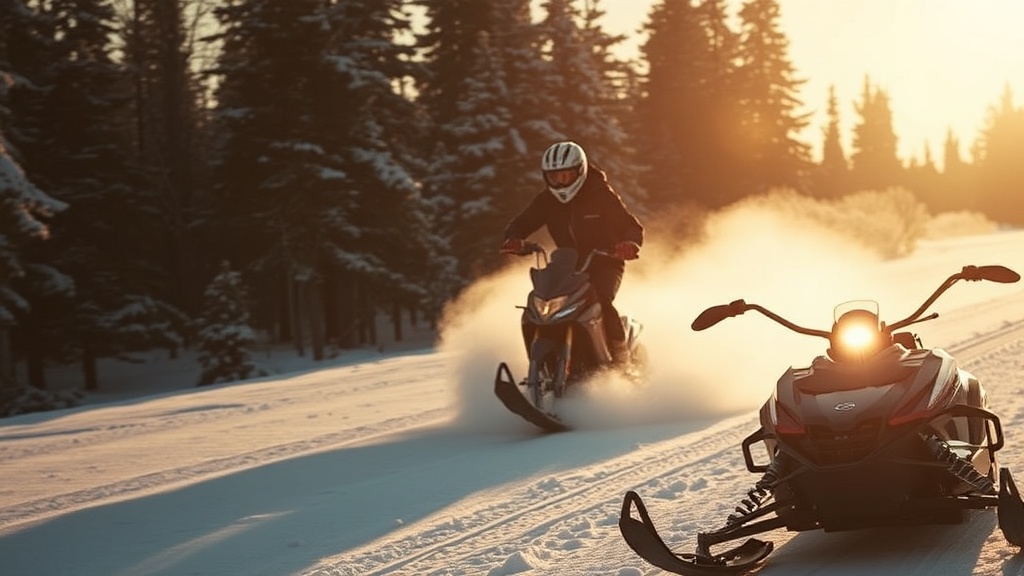
This post covers a quick 5-minute warm-up routine designed specifically for snowmobilers to protect their lower back before hitting the trails. A stiff spine combined with the jarring bumps of backcountry riding is a recipe for pain that can cut a ride short — or leave you sore for days. Here's the thing: you don't need a gym membership or fancy gear. Just five minutes of targeted movement before you fire up the Ski-Doo Summit SP.
Why does snowmobiling hurt your lower back?
The short answer is sustained vibration plus poor posture. Sitting on a sled for hours locks the hips and pelvis in place while your spine absorbs every bump, rut, and drift. The catch? Most riders jump on cold. That tightness transfers impact directly to the lumbar discs and surrounding muscles. Over a full day in the Revelstoke backcountry, the cumulative load adds up fast — especially when you're leaning into turns and bracing against acceleration.
What stretches should you do before snowmobiling?
Focus on the hips, hamstrings, and thoracic spine — the three areas that stiffen fastest in cold weather. Start with walking lunges (30 seconds each leg) to open the hip flexors. Follow with dynamic standing toe touches and gentle torso twists while wearing your base layers. Worth noting: stretching in bulky Klim gear isn't practical, so do this beside the truck before suiting up.
| Stretch | Target Area | Duration |
|---|---|---|
| Walking Lunge | Hip Flexors | 60 sec |
| Toe Touch (dynamic) | Hamstrings | 45 sec |
| Torso Twist | Lower Back | 60 sec |
| Arm Circles + Shoulder Rolls | Upper Back/Posture | 45 sec |
Arm circles matter more than you'd think. Tight shoulders pull the upper back forward, which throws off seated posture and dumps extra load onto the lumbar spine.
Is a 5-minute warm-up really enough for back protection?
Yes — if you're consistent. Research from the Mayo Clinic on stretching shows that short, regular mobility routines reduce muscle strain risk more than occasional long sessions. A brief warm-up increases blood flow to the lumbar region and primes the nervous system to react to sudden shifts in terrain. You won't become bulletproof, but you'll ride with noticeably fewer aches by the time you reach the warming hut.
Marcus runs this routine before every trip up the Sea to Sky corridor — from Pemberton trailheads to the Whistler backcountry gates. Pair it with a properly adjusted suspension and the Fox Racing back support base layer (available at most Vancouver powersports dealers) and you'll feel the difference by lunch. For more on safe riding posture, check the Canadian Snowmobile Safety guidelines on spinal alignment and seated positioning. For winter-specific conditioning ideas, the National Strength and Conditioning Association offers practical cold-weather prep guidance.
"The riders who complain about back pain at the lodge are usually the ones who skipped the parking-lot warm-up."
That said, no routine fixes a poorly set-up sled. Take two minutes to adjust your handlebar height and seat position after you stretch. Small changes — big relief. Now fire it up and ride.