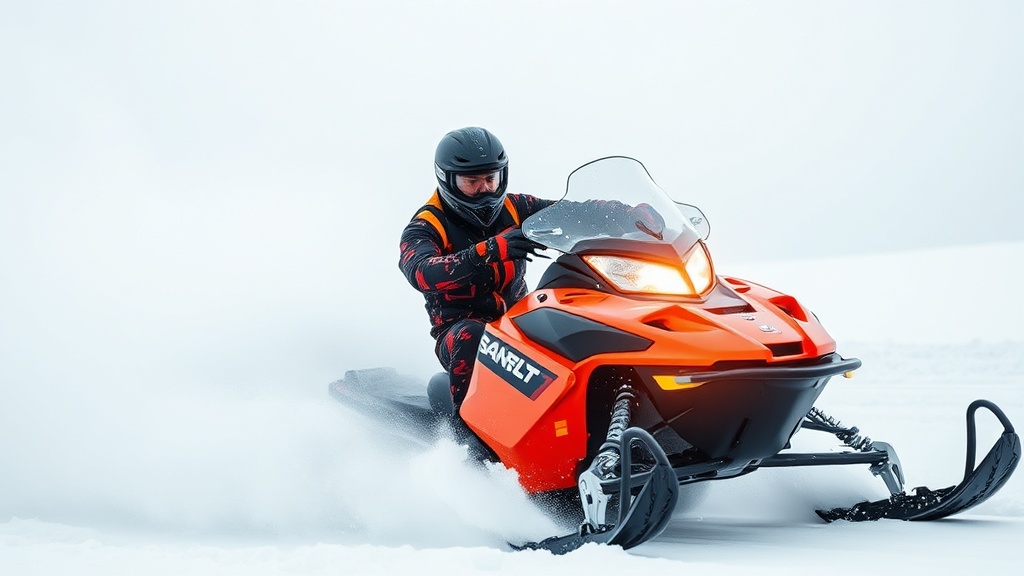
Snowmobiling Fitness 101: Train Your Body to Ride Stronger and Longer

Snowmobiling isn't a passive sport—it's a full-body endeavor that demands strength, stamina, and flexibility. This guide breaks down the exact fitness principles, exercises, and recovery habits that keep riders strong, safe, and comfortable on the sled from sunrise to sunset. Whether you're carving through powder in British Columbia or trail riding across Ontario, a conditioned body makes every mile more enjoyable—and far less risky. Fatigue leads to poor decisions. Poor decisions lead to injuries, stuck machines, and cut trips short. The good news? You don't need to be an elite athlete. A consistent, targeted routine built around the demands of the sport is enough to transform your riding experience. Start now, and by the time the first storms roll in, your body will be ready.
What muscles does snowmobiling work the most?
The core, shoulders, forearms, and legs take the biggest hit. Your abdominals and lower back fire constantly to stabilize the chassis over bumps, while your grip muscles and shoulders control the bars through chop and turns. Legs—especially quads and hip flexors—absorb impacts and help you shift weight when side-hilling a machine like the Ski-Doo Summit or Polaris PRO-RMK.
Here's the thing: most riders think snowmobiling is all upper body. It isn't. The legs act as shock absorbers. (Think of them as your personal suspension system.) When standing through moguls or climbing steep inclines, the quadriceps and calves stay engaged for minutes at a time. That burns. Your forearms also pump up fast—twist grips, brake levers, and deep powder demand a grip that won't quit. Even your neck muscles work harder than you'd expect, stabilizing a helmet against wind and g-forces during high-speed runs across frozen lakes. After a full day, that neck stiffness is real—and annoying.
The shoulders don't just steer—they absorb. Every root, rock, and drift sends a jolt up the handlebars, and the deltoids act as the first line of defense. Over time, this leads to the kind of deep-seated fatigue that makes the final hour of a ride feel dangerous. Strengthening the rotator cuff muscles with band work or light dumbbell rotations can prevent the sloppy bar control that causes crashes.
Your lower back deserves special attention too. A weak posterior chain leads to the dreaded "rider hunch"—that aching slump after two hours in the saddle. Strengthening the erector spinae and glutes off the machine pays dividends once the helmet goes on. Worth noting: snowmobiling rarely targets muscles evenly. The left side often works harder on one trail; the right side dominates the next. This asymmetry creates imbalances that can lead to injury if you don't train both sides in the gym. Add unilateral exercises—single-arm presses, split squats, single-leg Romanian deadlifts—to keep your body balanced.
How do you build endurance for long snowmobiling trips?
You build it with a mix of aerobic base training and sport-specific intervals. Long, steady-state cardio—think 30 to 45 minutes on a Concept2 RowErg or cycling outdoors—develops the cardiovascular engine that keeps you alert and energetic during eight-hour riding days.
That said, steady cardio alone won't cut it. Snowmobiling is stop-and-go. One minute you're idling at a trail crossing; the next you're wrestling the sled up a powder-filled chute. To mimic these demands, add interval training twice a week. Try 30 seconds of burpees or kettlebell swings followed by 90 seconds of rest, repeated for 15 minutes. The Rogue Fitness kettlebell is a favorite among backcountry riders in Whistler for good reason—it builds hip power and grip endurance simultaneously. If you prefer machines, an AssaultBike or SkiErg delivers the same brutal upper-and-lower-body stimulus. Both tools mimic the rhythmic pushing and pulling patterns you use when throwing a sled around in tight terrain.
Heart-rate variability is another marker worth watching. Riders with a strong aerobic base recover faster between high-effort bursts. That means less panting after a steep climb and more energy for the next technical section. A simple fitness tracker—something like a Garmin Forerunner or Apple Watch—can show you exactly how your cardiovascular system responds to training load over the weeks leading up to season opener.
Muscular endurance matters just as much as heart health. High-rep bodyweight circuits—lunges, push-ups, plank holds—prepare the exact muscles that fatigue on the mountain. Aim for sets of 15 to 20 reps with short rest periods. The burn feels familiar. (It's the same ache you get halfway through a technical tree ride.) Mix in longer holds too—two-minute planks or wall sits—to teach your muscles to stay switched on when the trail gets rough. Don't neglect the long slow distance either. A 90-minute hike with a weighted pack builds the kind of all-day stamina that separates weekend warriors from riders who can handle multi-day trips through the Rockies.
What exercises help prevent snowmobiling injuries?
Deadlifts, rotational core work, grip training, and single-leg movements top the list. These movements strengthen the posterior chain, improve balance on uneven terrain, and bulletproof the joints most commonly hurt in sled sports.
The catch? Random gym work beats nothing—but targeted prehab is better. Focus on movements that mirror riding positions. The TRX suspension trainer works wonders here. TRX rows build upper-back endurance (which fights shoulder fatigue), and TRX pistol squat progressions develop single-leg stability for side-hilling. For grip, farmers carries with heavy dumbbells or a Captains of Crush gripper from IronMind build the kind of hand strength that lets you hold on when the sled hits unexpected drift.
Your core needs rotation, not just crunches. Russian twists, cable woodchops, and Pallof presses train the obliques and transverse abdominis to resist twisting forces. That matters. When the rear end of a 500-pound machine breaks loose, your midsection is what keeps you attached to the seat. Here's a quick look at how key exercises map to riding demands:
| Exercise | Riding Benefit | Equipment |
|---|---|---|
| Romanian Deadlift | Lower back and hamstring resilience | Barbell or kettlebell |
| TRX Row | Shoulder endurance and posture | TRX suspension trainer |
| Goblet Squat | Quad strength and hip mobility | Dumbbell or kettlebell |
| Pallof Press | Anti-rotation core stability | Cable machine or band |
| Farmers Carry | Grip strength and overall stamina | Heavy dumbbells |
Don't skip mobility work either. Tight hip flexors pull the pelvis into anterior tilt, which strains the lower back in a seated riding position. Spend five minutes daily doing couch stretches or hip flexor mobilizations. Your back will thank you after a long day in Yellowstone National Park or the Quebec backcountry trails. Shoulder mobility is often overlooked too—tight pecs and lats restrict your ability to steer smoothly and react quickly. A few minutes with a lacrosse ball against a wall can release knots that would otherwise nag you for days.
Is snowmobiling actually good exercise?
Yes—with some important caveats. Moderate to aggressive snowmobiling can burn between 250 and 450 calories per hour, according to general physical activity research. That puts it in the same ballpark as light hiking or casual cycling. The calorie burn climbs higher in deep powder, where the body works harder to balance and maneuver the sled.
Here's the thing: trail riding on groomed paths at a relaxed pace won't replace a structured workout. The heart rate stays low. Muscle engagement is minimal. You're mostly sitting. That said, technical backcountry riding—standing, jumping, carving, and lifting a stuck sled—is a legitimate full-body challenge. It taxes the cardiovascular system, builds grip endurance, and recruits legs and core in ways that seated trail riding never does. A study referenced by the CDC on physical activity notes that outdoor recreational activities combining skill, strength, and endurance contribute meaningfully to weekly activity goals.
There's also a mental health component. Being outside in fresh air, surrounded by white-capped pines and mountain silence, drops cortisol levels and improves mood. The physical effort combined with natural scenery creates a stress-relief effect that's hard to replicate in a fluorescent-lit gym. That matters for overall wellness—even if it doesn't show up on a heart-rate monitor.
For overall health, snowmobiling works best as one piece of an active lifestyle—not the entire puzzle. The CDC recommends adults get at least 150 minutes of moderate aerobic activity per week, plus two strength sessions. A weekend of deep powder riding might get you close on cardio, but it won't deliver balanced strength training. That's why the gym matters. Complement your riding with resistance work and mobility, and snowmobiling becomes a powerful motivator to stay fit year-round. The Mayo Clinic's guide to core exercises offers an excellent starting point for building the midsection stability every rider needs.
How should you fuel and recover during a riding day?
Eat a carbohydrate-rich breakfast, sip water consistently, and refuel with protein and carbs at lunch. Dehydration and bonking from low blood sugar—are the two fastest ways to turn a great ride into a miserable slog.
Cold weather tricks you. You don't feel sweaty, so you forget to drink. But breathing dry winter air and sweating under heavy gear still depletes fluids. Aim for half a liter of water every hour. An insulated Hydro Flask or Nalgene bottle tucked in a tunnel bag stays accessible and prevents freezing. For food, skip the gas-station pastry trap. Pack trail mix, jerky, peanut butter sandwiches, or a CLIF Bar. These provide steady energy without the sugar crash.
Worth noting: electrolytes matter in winter too. Sweating under a thick Klim jacket and bibs while working hard in dry air strips sodium and potassium. Adding an electrolyte tablet—like Nuun or LMNT—to your water bottle keeps cramps at bay and maintains focus during afternoon tree runs. Don't wait until you're thirsty. By then, you're already behind.
That said, recovery starts before you load the trailer. A five-minute dynamic warm-up—leg swings, arm circles, bodyweight squats—primes the nervous system and reduces injury risk when the first miles are cold. After the ride, static stretching for hips, hamstrings, and shoulders helps reset muscle length. Foam rolling the quads and IT bands feels brutal but effective. (Most riders skip this. Don't be most riders.)
Sleep is the final piece. Muscle repair happens overnight. A tired rider makes slow reactions, poor line choices, and expensive mistakes. Eight hours of sleep isn't a luxury—it's maintenance. Treat it like tuning your suspension.
Train smart. Ride strong. The snow is waiting.