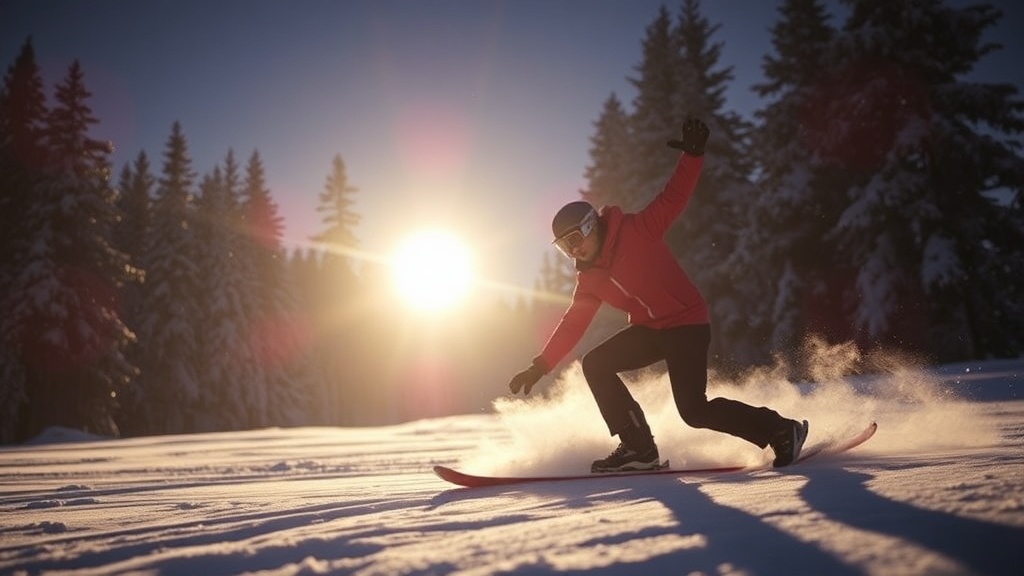
Pre-Ride Warm-Up: Essential Stretches Before You Hit the Snow

Quick Tip
Spend 5 minutes doing dynamic stretches like leg swings and torso rotations before every ride to activate your core, hips, and shoulders for better control and reduced injury risk.
Cold muscles don't react well to sudden demands. Before twisting the throttle on a 500-pound machine across frozen terrain, the body needs preparation. This guide covers targeted stretches that activate key muscle groups used in snowmobiling — hips, lower back, shoulders, and wrists — helping prevent strains, reduce fatigue, and keep riders comfortable during long days on the trails.
What Stretches Should Snowmobilers Do Before Riding?
Hip flexors, hamstrings, and shoulder rotator cuffs need the most attention. Snowmobiling keeps riders in a seated, forward-leaning position for hours, which tightens the hip flexors and strains the lower back. A proper warm-up takes 10-15 minutes and focuses on dynamic movements rather than static holds.
Start with leg swings — forward and lateral — to loosen the hips. Ten per leg works. Then move into walking lunges with a torso twist. This combo hits hip flexors, quads, and the thoracic spine in one motion. Don't rush it. The cold air means muscles take longer to warm up than in summer conditions.
For the upper body, arm circles (big ones — 20 forward, 20 backward) and cross-body shoulder stretches prepare the joints for absorbing trail impacts. The handlebars on machines like the Ski-Doo Renegade X or Polaris Switchback transfer every bump straight to the shoulders and wrists.
Wrist stretches matter more than most riders think. Extend one arm, palm up, and gently pull fingers back toward the body. Hold for 15 seconds. Repeat with palm down. Carpal tunnel issues are common among riders who skip this step.
How Long Should a Pre-Ride Warm-Up Take?
Ten to fifteen minutes is the sweet spot. Less than ten minutes leaves muscles cold and injury-prone. More than twenty minutes wastes energy better spent on the trail. The key is raising core temperature slightly — enough to break a light sweat beneath the base layers.
Here's a breakdown of an effective routine:
| Body Part | Exercise | Duration/Reps | Purpose |
|---|---|---|---|
| Hips | Leg swings (forward/lateral) | 10 each direction per leg | Activates hip flexors and glutes |
| Lower Back | Walking lunges with twist | 10 lunges per leg | Opens hips, rotates spine |
| Shoulders | Arm circles | 20 forward, 20 backward | Warms rotator cuffs |
| Wrists/Forearms | Wrist extensions | 15 seconds each position | Prevents strain from handlebar vibration |
| Hamstrings | Dynamic toe touches | 15 per leg | Prepares legs for standing positions |
The catch? Static stretching — holding a position for 30+ seconds — actually reduces power output temporarily. Save deep static stretches for after the ride when muscles are warm and pliable.
Can Stretching Really Prevent Snowmobiling Injuries?
Yes — particularly muscle strains and joint overuse injuries. A 2019 study in the Journal of Sports Medicine found that dynamic warm-ups reduced injury rates by up to 30% in cold-weather sports. The reasoning is straightforward: cold muscle tissue tears more easily than warm tissue.
Snowmobiling creates unique physical demands. Riders constantly adjust body position — leaning into turns, absorbing impacts, standing for better visibility. This requires core stability and hip mobility. Without preparation, the lower back compensates, leading to the dreaded "sledder's back" that cuts trips short.
Worth noting: stretching won't prevent traumatic injuries from crashes or rollovers. For those risks, proper safety gear — helmets, avalanche transceivers in backcountry terrain, and certified safety training — matters more than flexibility. That said, a loose, prepared body reacts faster and maintains better machine control when things get unpredictable.
The backcountry riders in British Columbia's Vancouver Island and Interior regions often face deep powder and tree riding that demands constant physical adjustment. Local guides recommend adding squats and calf raises to the warm-up routine — standing in powder all day burns leg muscles fast.
Don't skip the cool-down either. Five minutes of gentle stretching post-ride — hamstring stretches, figure-four hip openers, doorway chest stretches — helps flush lactic acid and reduces next-day soreness. Your body will thank you when the alarm goes off for day two of the trip.