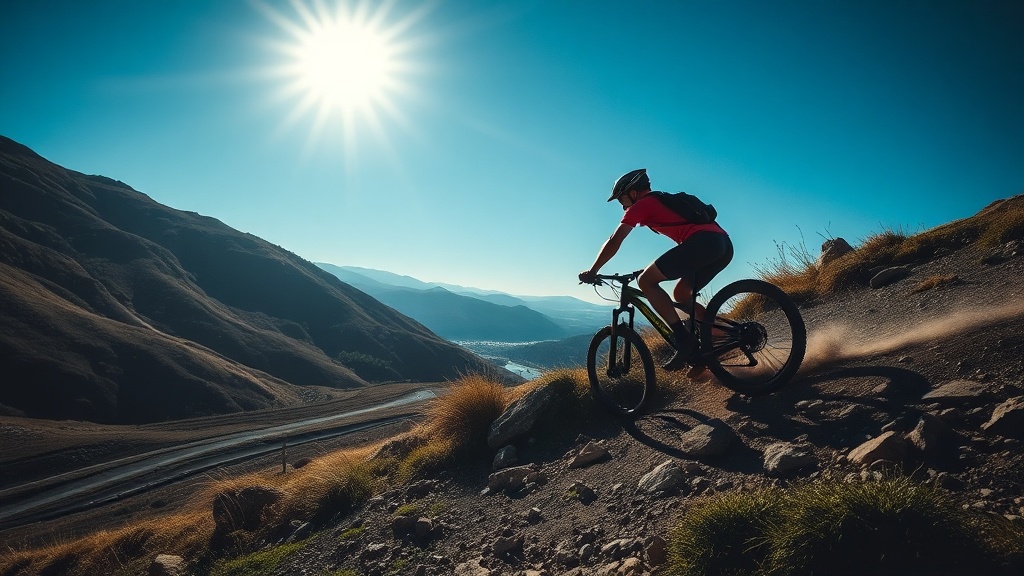
Building Explosive Lower Body Power for Steep Sidehill Riding
The Hidden Cost of Low Power Output
A single high-speed bump can exert forces exceeding three times your body weight on your lower extremities. If your legs aren't prepared for these sudden loads, you're not just looking at a slow ride; you're looking at a potential injury. This post covers the specific training methods needed to build explosive leg power and stability, ensuring you stay on the sled when the terrain gets technical. We'll look at why traditional cardio isn't enough and what specific movements actually build the kind of strength required for technical mountain riding.
Riding in deep powder or tackling steep sidehills requires more than just endurance. It requires the ability to react instantly. When the sled shifts under you, your legs act as the primary shock absorbers. If your muscles are slow to react, the sled wins. We aren't just talking about steady-state strength here; we're talking about reactive power.
What Exercises Build Leg Strength for Snowmobiling?
Standard weightlifting focuses on slow, controlled movements. While that's great for general health, it doesn't mimic the violent, unpredictable movements of a sled in a technical bowl. To build the right kind of strength, you need to incorporate plyometrics and heavy, explosive movements into your routine.
- Explosive Squats: Instead of just going up and down, try jump squats or speed squats. The goal is to move the weight as fast as possible during the concentric (upward) phase.
- Lateral Lunges: Sidehilling puts immense stress on your ability to push off the side of the machine. Lateral lunges build that side-to-side stability.
- Box Jumps: These develop the fast-twitch muscle fibers needed to react to unexpected terrain changes.
Don't forget the posterior chain. Your glutes and hamstrings are the engines that keep you anchored. A strong base prevents you from being bucked off during steep climbs. For more detailed guidance on strength training principles, check out the National Strength and Conditioning Association resources.
How Do I Improve My Balance on Technical Terrain?
Balance isn't just about having a steady hand; it's about your ability to maintain your center of gravity while your base is constantly shifting. Unilateral (one-legged) training is your best friend here. When you're riding, you're rarely standing on two perfectly even surfaces. One foot might be high on a running board while the other is tucked low.
Try incorporating single-leg deadlifts or Bulgarian split squats into your gym sessions. These movements force your stabilizer muscles to work overtime. If you can balance on one leg while holding a heavy kettlebell, you'll find much more stability when the snow starts moving beneath you. It's about training the small, stabilizer muscles—the ones that usually give out first during a long day of riding.
| Exercise Type | Primary Benefit | Target Muscle Group |
|---|---|---|
| Plyometrics | Reactive Speed | Fast-twitch Fibers |
| Unilateral Work | Stability | Glute Medius/Stabilizers |
| Heavy Compound | Raw Power | Quads and Glutes |
Can I Train Leg Power Without a Gym?
Absolutely. You don't need a full rack of weights to see improvements. Bodyweight movements can be incredibly effective if you focus on intensity and speed. If you're stuck at a mountain lodge or a remote cabin, use the environment. Find a sturdy ledge for step-ups or a small hill for hill sprints. Hill sprints are particularly effective because they mimic the high-intensity bursts of energy required when you're pushing through deep, heavy powder.
The key is intensity. A slow, easy walk won't do much for your sidehill performance. You need to push your heart rate up and force your muscles to work under tension. If you're looking for scientifically backed movement guidelines, the Healthline Fitness Guides offer great insights into functional movement patterns.
Think about the way a pro rider moves. They aren't just sitting; they are constantly micro-adjusting. Your training should reflect that. If your training is too predictable, your riding will feel unpredictable. Aim for movements that force you to recover your balance mid-motion. This is how you build the muscle memory that keeps you upright when the unexpected happens.
Remember, the goal isn't to become a bodybuilder. We want functional, explosive power. You don't need massive, bulky legs that move slowly; you need lean, powerful limbs that can react in milliseconds. This distinction is what separates a rider who survives a technical descent from one who ends up in a snowbank.